Wildlife at Ruth Eckerd Hall
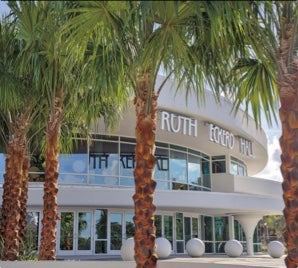
When fans arrive at Ruth Eckerd Hall, they’re often focused on the performance ahead – the music, the lights, and the energy inside the theatre. Steps away from the venue is something many people don’t expect: a naturally preserved wetland that’s active every day.
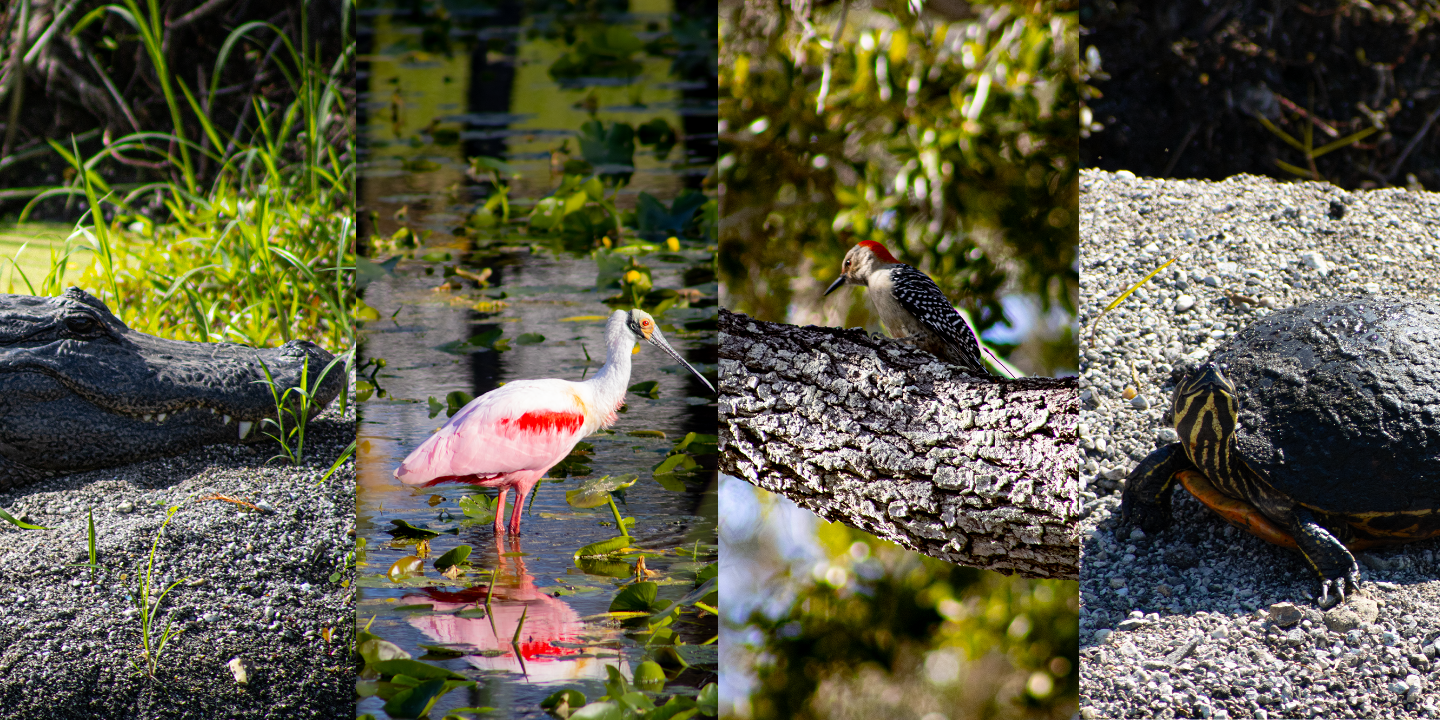
Surrounding Ruth Eckerd Hall is a wetland ecosystem lined by Bald Cypress trees and connected waterways. This area supports a vast range of Florida wildlife and serves as an integral part of the local environment. Wetlands like these help filter water, manage the storm run-off from Florida’s torrential rainfall, and provide essential habitat for both permanent and migratory species.
Wildlife You Might See on Property
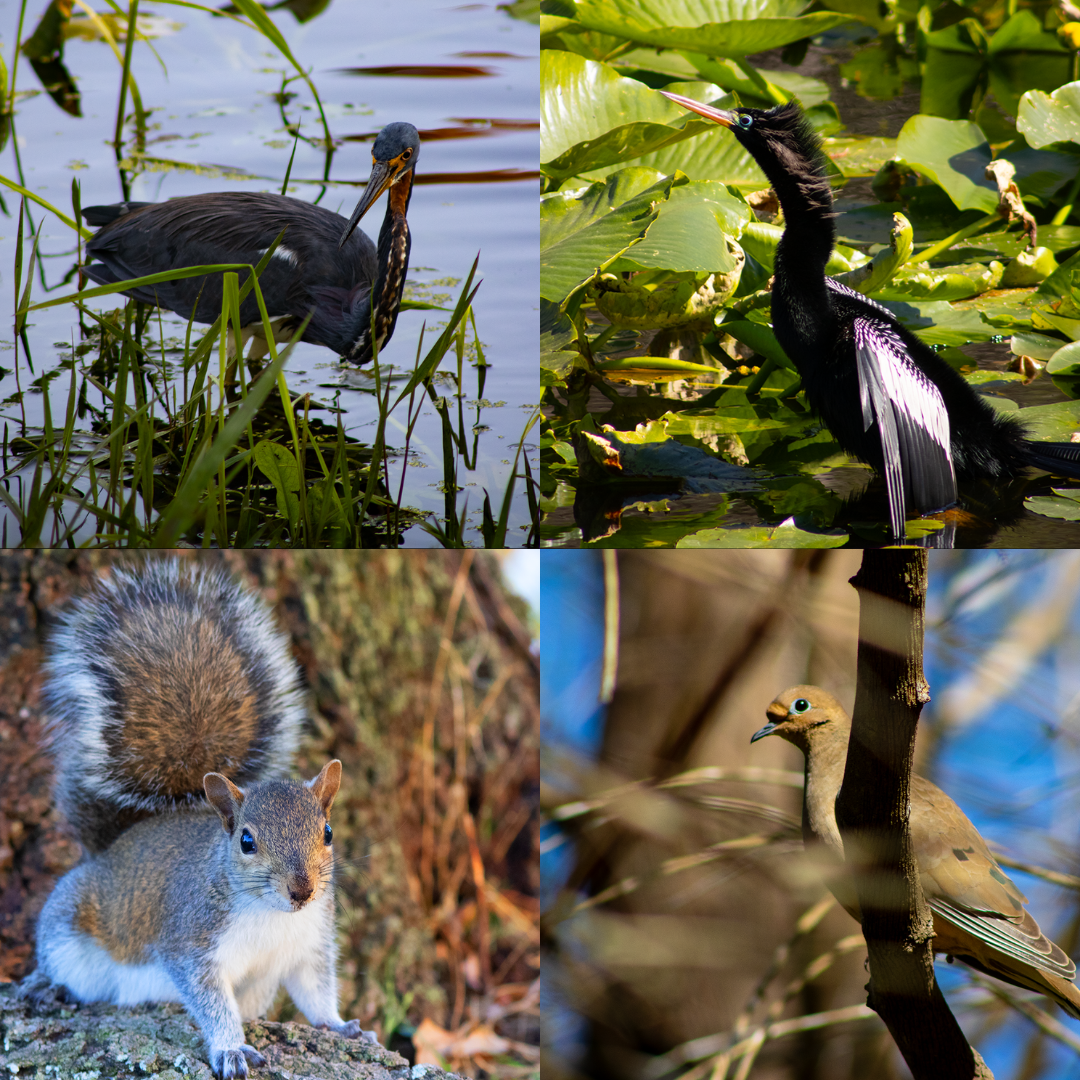
It’s not uncommon to spot wildlife while walking the grounds. On any given day, visitors might spot:
• Alligators
• Turtles
• Woodpeckers (Red-Bellied, Downy, and Pileated)
• Herons (Great Blue, Green & Tri-Color)
• Doves
• Osprey
• Bald Eagles
• River Otters
These species rely on wetland habitats like this for food, shelter, and nesting areas. Their prevalence is a strong indicator of a healthy ecosystem.
Trees, Shrubs, & Flowers
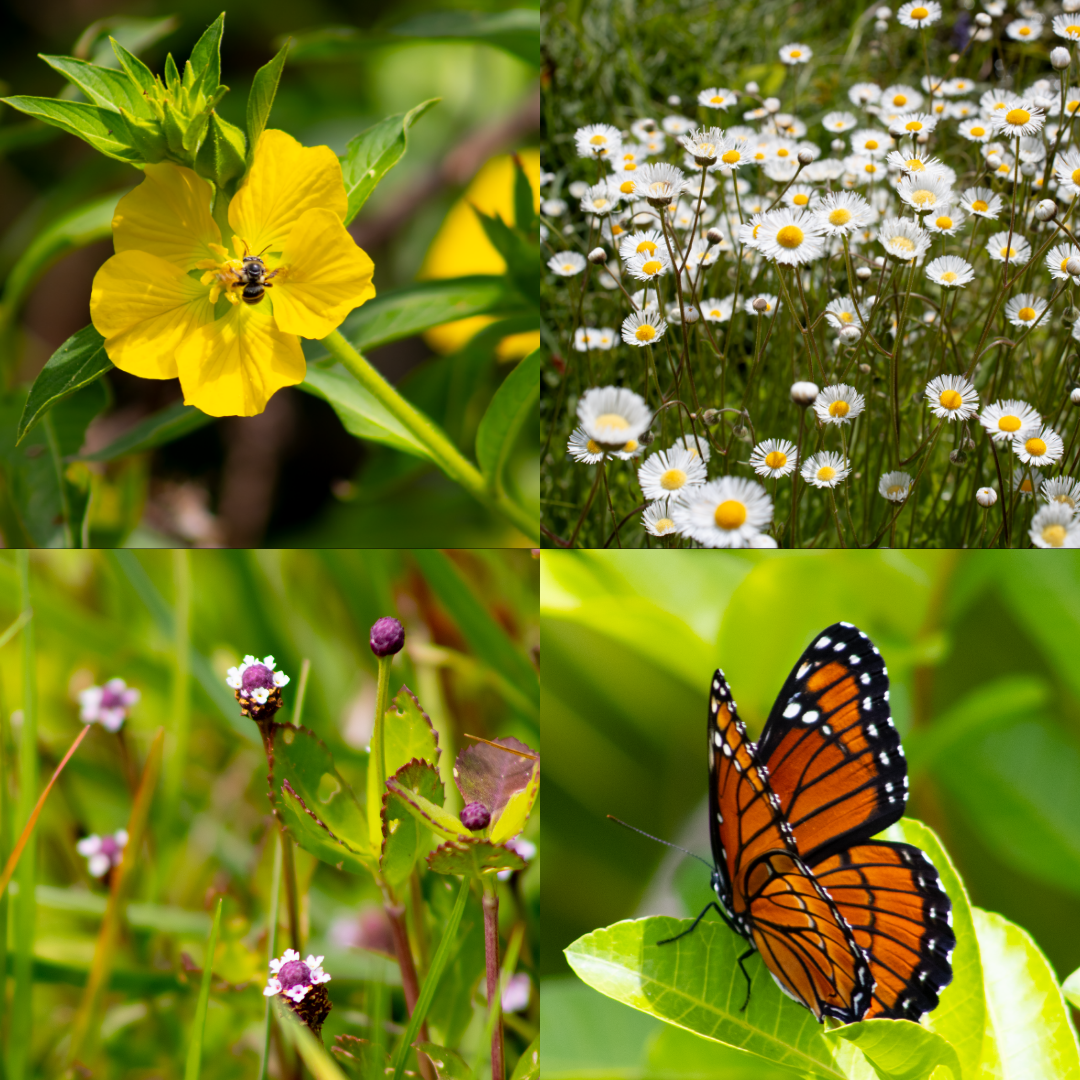
The wetland at Ruth Eckerd Hall is also home to a variety of trees, plants, and wildflowers that thrive in Florida’s climate and play a key role in supporting pollinators and wildlife. Lining the waterway, you will find:
• Bald Cypress
• Live Oak
• Slash Pines
• Pink Swamp Milkweed
• Primrose
• Native Asters (Stoke’s & Rice Button)
• Frogfruit
These plants are well-adapted to the swampy conditions surrounding the venue grounds and help provide shelter, food sources, and breeding grounds for birds and pollinators.
This natural space is more than just a backdrop for the venue – it’s an active, functioning habitat that supports local biodiversity and preserves a piece of Florida’s natural landscape.